

Only the old is considered anew
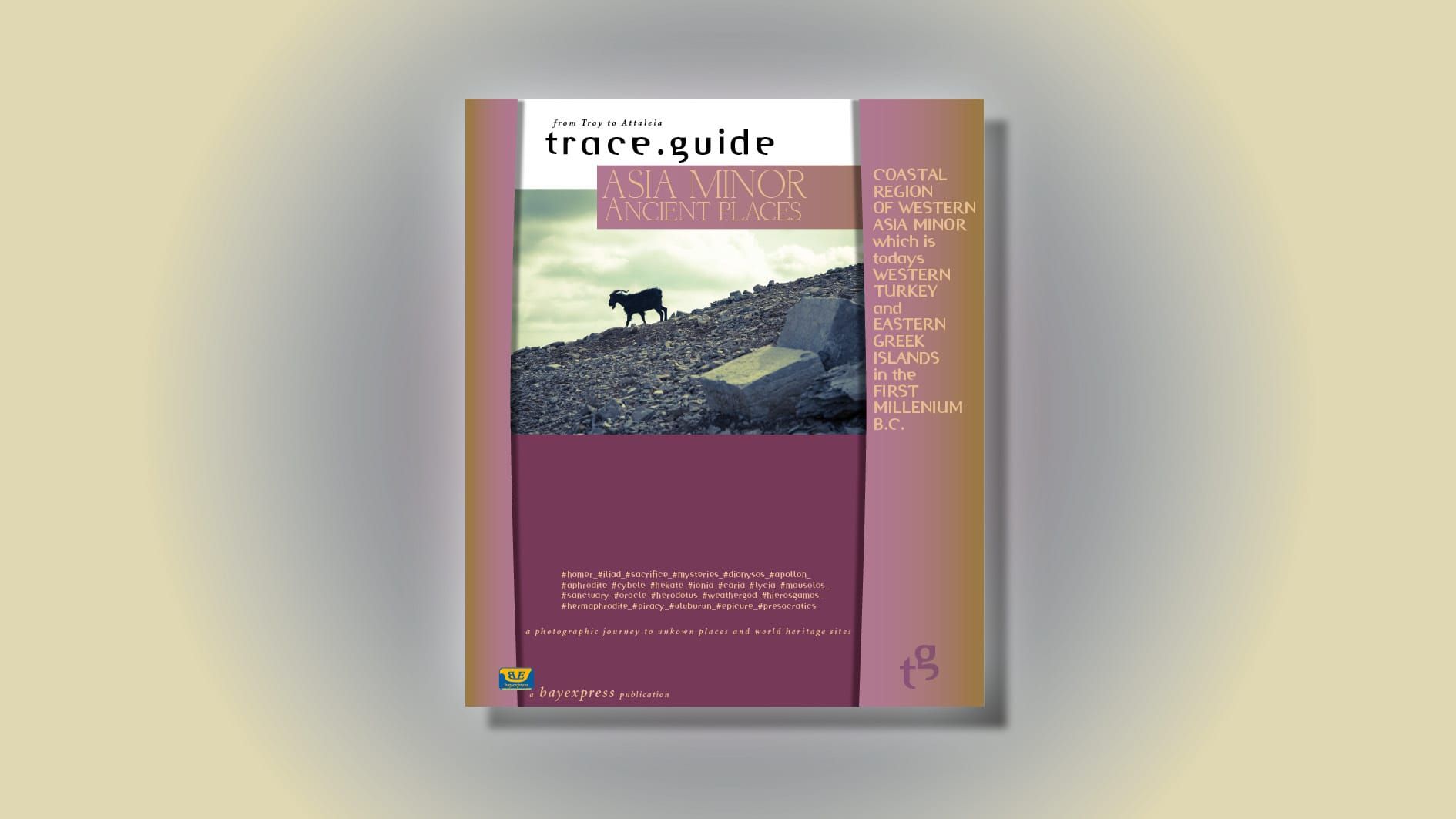
trace.guide is the project name for a content pool dealing with archaeological sites along the Turkish Coast and the nearby Eastern Greek Islands.
The subject of consideration is the ancient world, represented by its partly world-famous excavations on the west coast of Asia Minor, today's Turkey. There are more places that have never been dug, at least by archaeologists, than well-fenced open-air museums with ticket booths. That is what makes this region special.
Nothing is new when you sum up the knowledge of researchers and villagers together. The former have dug, categorized and interpreted over almost a century and a half whilst the latter took their building material or some pretty ornament from ancient sites for their house with great effort, without knowing any their significance. They were aware of what was special, not only when old precious metal came to light. Not everyone should have knowledge about these finding sites, an aura of value blew around them.
Some inhabitants of mountain villages still live on and in the middle of ancient ruins.
Many nations sent their people to carry out excavations, nothing less than the cradle of western civilization was thought to be here ...
... and Museums had to be filled in the 19th century!
The source of many myths that nourished the West, the beginnings of literature and science are located along the coast, which also happens to be the birthplace of reason and philosophy. Miletus may be mentioned for the latter, for example. Or Troy and the war sung in the Iliad together with its heroes serves as a mythical source for the question of the descent of many noble families up to the modern age. Today one can smile at these derivation fantasies ironically, for the ruler's psyche and its legitimacy it was essential at all times and unfortunately has remained until today, especially for some autocratic regimes. Nothing is new, even if Troy no longer plays a role in these parent constructions.
Many archeological sites along the Turkish West Coast and the offshore islands are known, some are World Heritage Sites, others are nameless but can be hiked exclusively. They are usually viewed in isolation. One basis is epigraphic evidence, carved in stone or handed down on yellowed parchment. It works scientifically, no matter how far away the researcher is from the scene. Therefore the question arises whether it was even relevant to be on site to learn essentials about these old places.
At this point this content pool with it's book project hooks up. By "not being on site" you surrender yourself to the eyes of others, their point of view.
Landscape and architecture are inextricably linked, temples were built in special places, protective castles offered magnificent views and visual axes for communication over great distances were extremely important.
By being on site, connections can be recognized, similarities emerge, especially in cultures without significant written records. An understanding of cultic acts that no longer exists today and their attachment to rock formations, hills or processional streets can be regained and their importance for the sociology of old societies can be guessed.
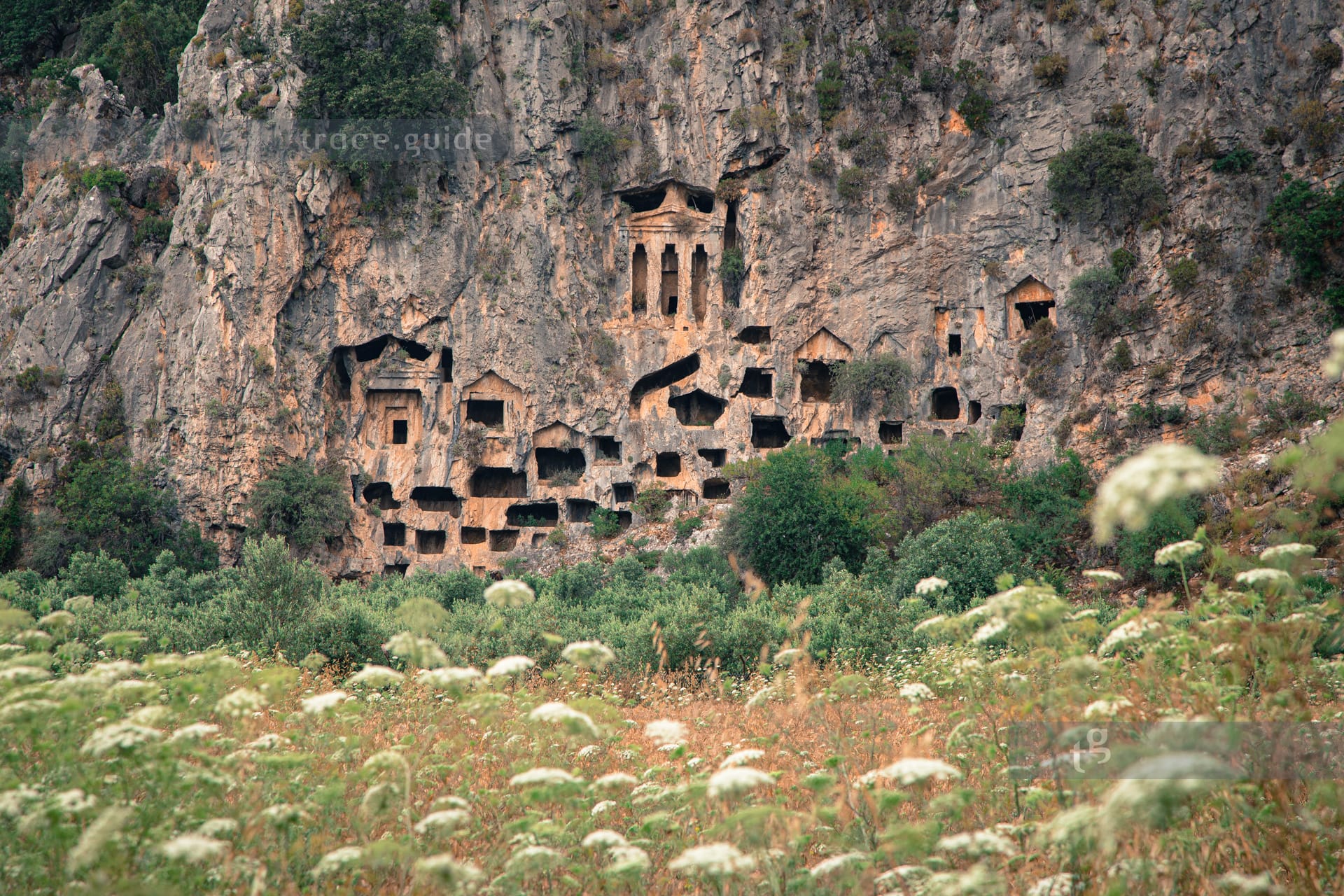
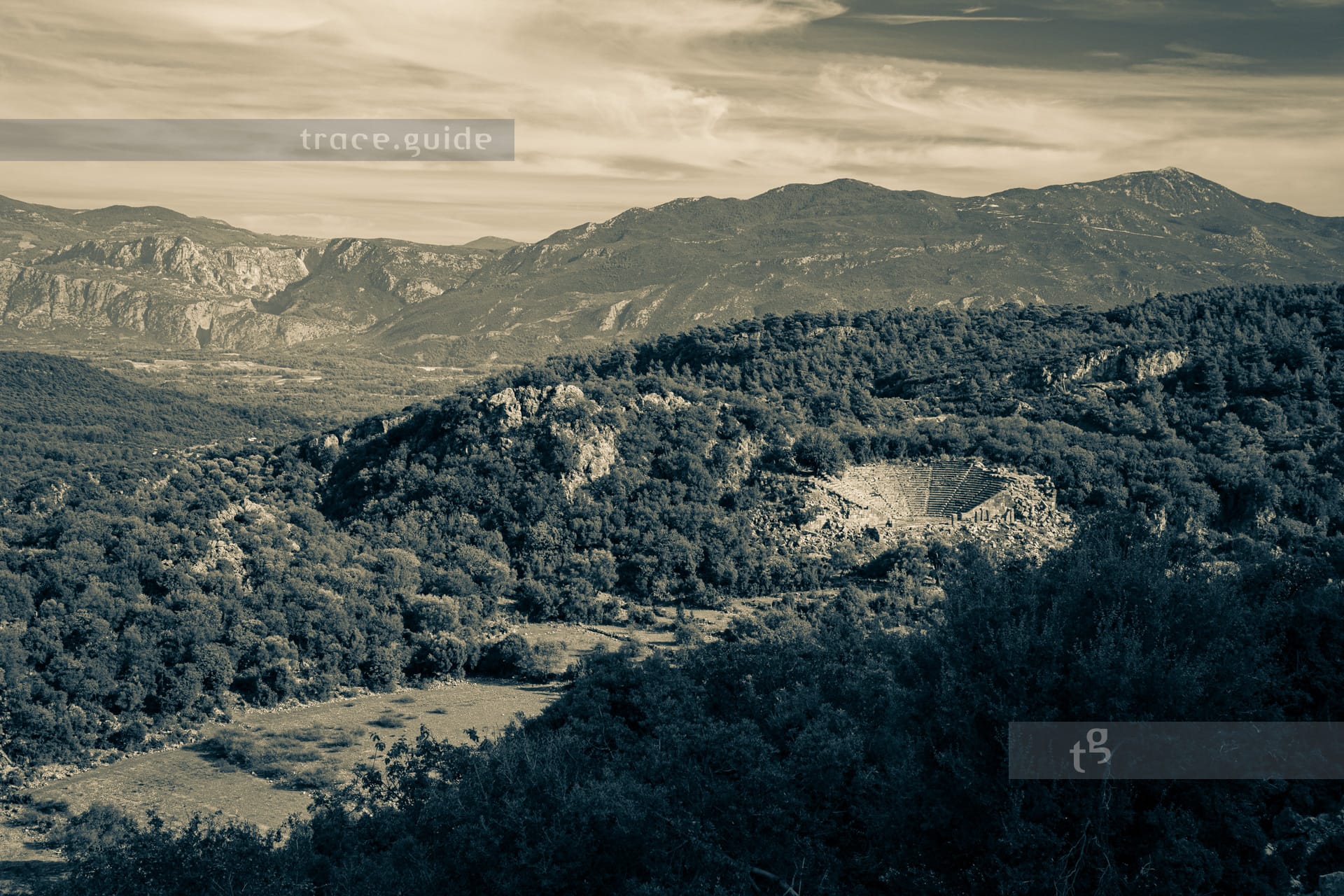
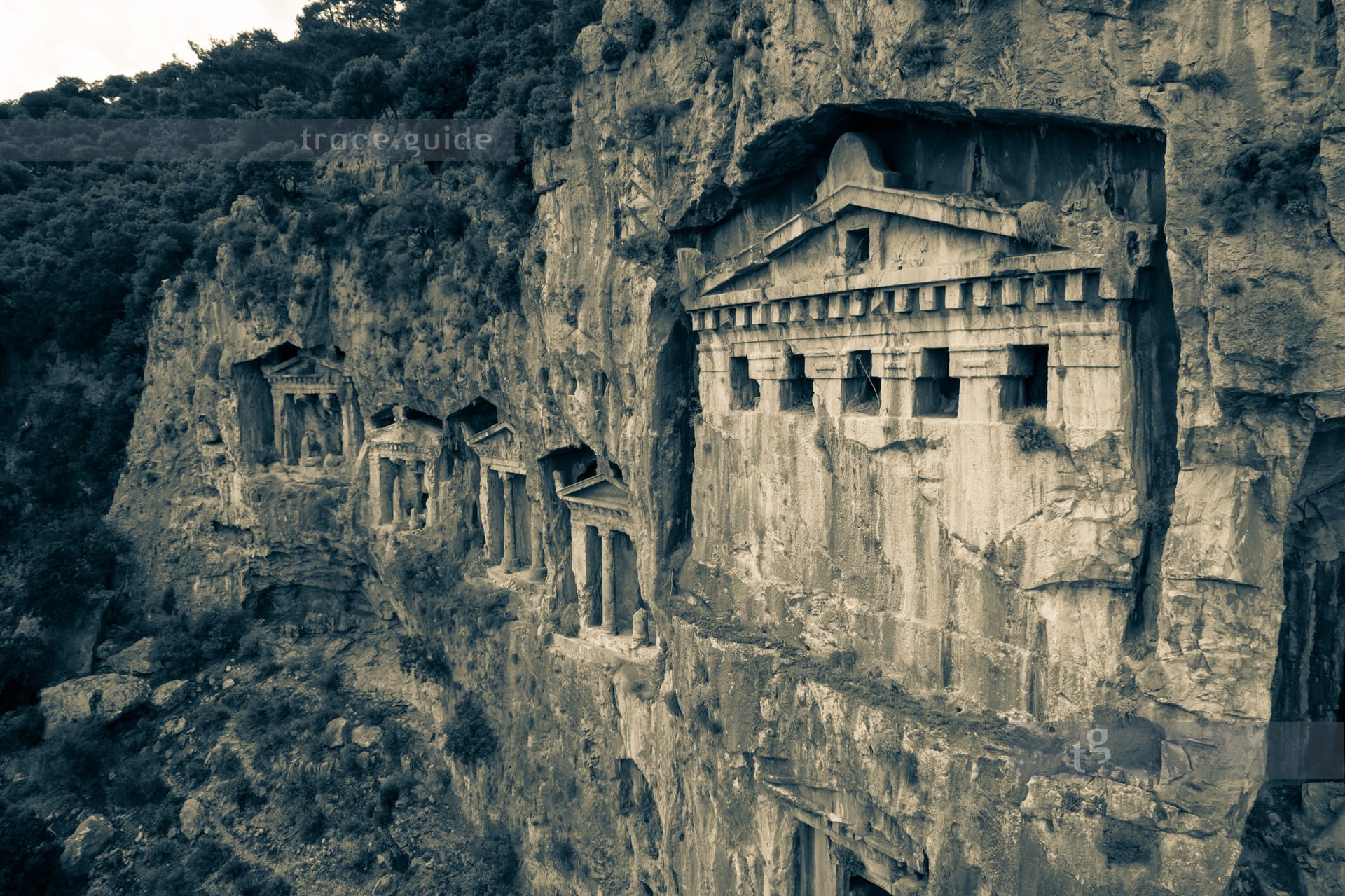
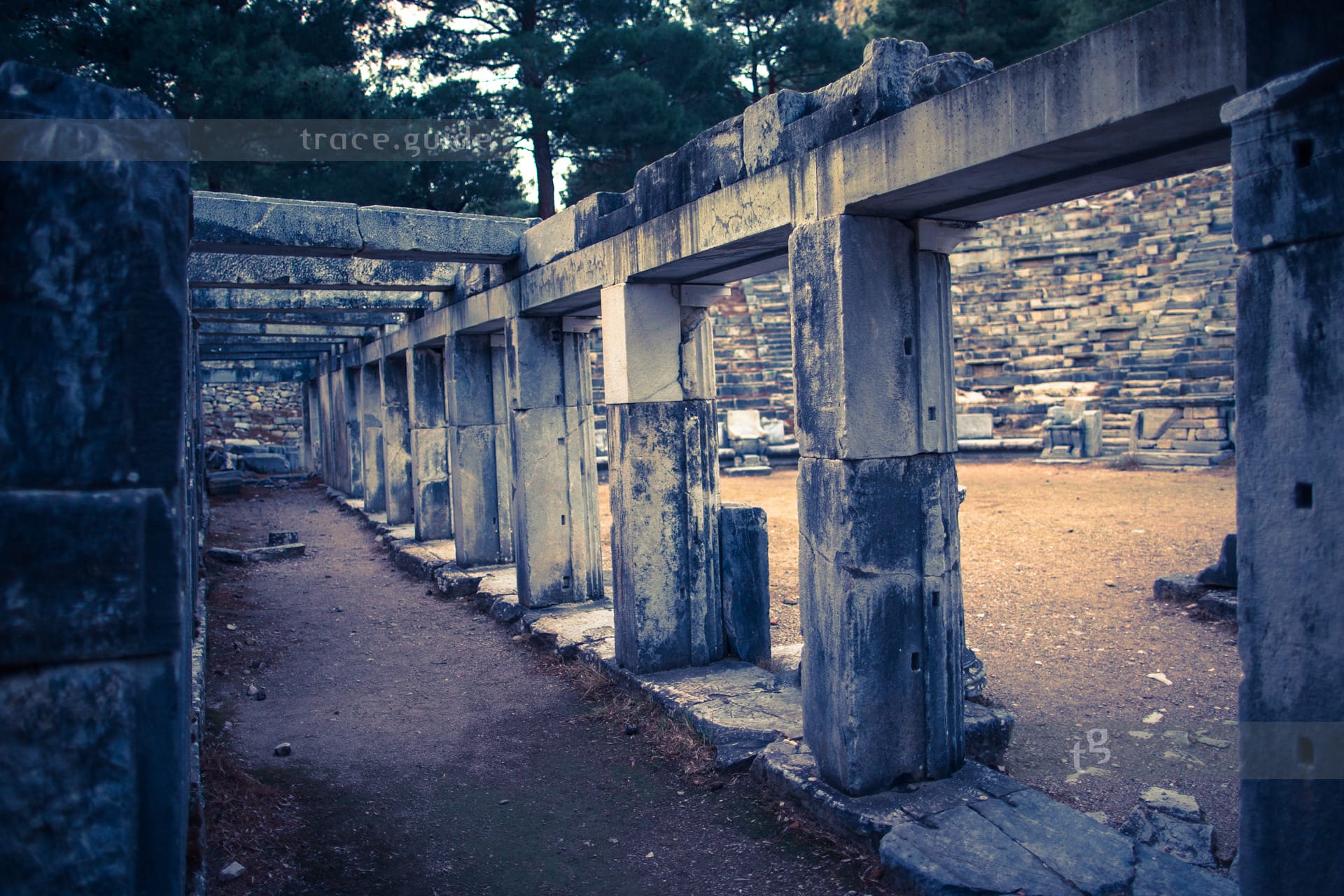
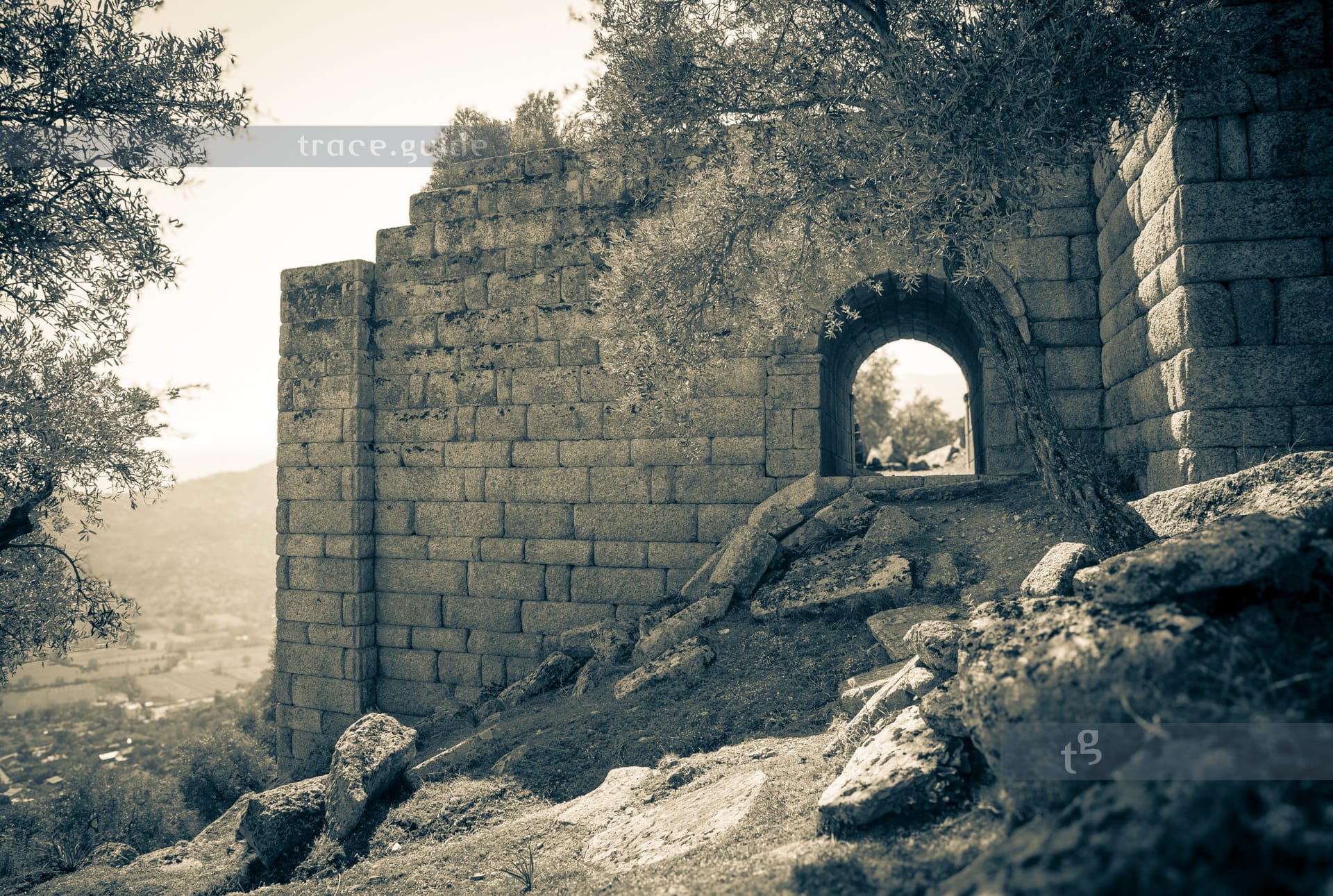
The subject of outstanding finds, also known as treasures, takes a back seat in favor of a comprehensive view that focuses more on the special features of the places, because treasures were only deposited in outstanding places in temples or tombs, places that had a special aura and these aura can still be guessed today, even if the treasures kept there have long been stolen or destroyed and only exist in the tradition.
The prejudice to recognize only Greek is also put into perspective here. Anatolian and Ancient Oriental are recognized as equally present, Eastern influence is perceived as formative.
This is nothing new for many researchers. But still unknown for many visitors and interested travellers.
The only new thing about this project is to give a visual overview for the first time, which should be condensed by background stories about the sites to a look at the early antiquity and some roots of western culture.
This content pool is intended to serve as a compendium, without claiming to be complete. It should serve as an inspiration for those interested and travellers to discover the ancient world on their own, first from home, then hopefully as a hiker along the Turkish Coast: equipped with a perspective that not only takes a few selfies home, but also philosophical interest and a little bit of the big question "where do we come from ...". Amazement should be the trigger to deal with the ancient world - which is also nothing new for the general public, but must be experienced anew by each individual.